
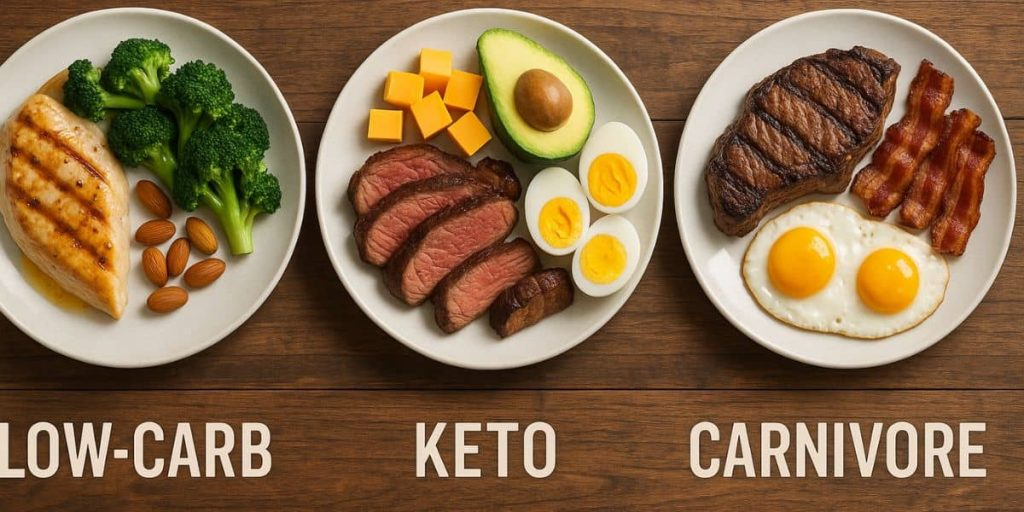
When I first tried low-carb eating, I thought it just meant “cut out sugar” and “stop eating bread.” That’s a solid start, but real low-carb eating is more intentional. Below is a 3-stage plan from basic to advanced, helping you lose fat steadily and say goodbye to discomfort:
Stage 1: Basic Low-Carb – Easy Entry, No Pain
The core is cutting refined carbs and added sugars, while keeping high-quality protein, healthy fats, and low-carb veggies. Perfect for beginners to adapt quickly.
What to Eat:
Meat, poultry, fish, eggs (high-quality protein sources)
Low-carb veggies like spinach, broccoli, cauliflower (for fiber and vitamins)
Healthy fats such as olive oil, avocados, butter
Nuts and seeds (eat in moderation to avoid overconsumption)
What to Avoid:
Refined carbs: bread, pasta, rice, cereals
Sugary snacks and drinks: milk tea, cakes, cola, etc.
Most fruits (a small amount of berries is okay if you really crave something sweet)
Real Case: My friend Lisa used to snack nonstop—crackers in the morning, a sandwich for lunch, fruit juice in the afternoon. She always felt sleepy in the afternoon. After switching to basic low-carb: omelet for breakfast, grilled chicken salad for lunch, steak with broccoli for dinner. She kicked the afternoon slump in just one week.
Key Benefits of Stage 1:
More stable energy, no more blood sugar spikes and crashes
Significant reduction in cravings for sweets and snacks
Typically lose 5–10 pounds in the first month, with quick visible results
Stage 2: Keto Diet – Fat-Burning Accelerator
Keto is the advanced version of low-carb, with daily net carb intake controlled at 20–50 grams. This triggers “ketosis,” shifting your body from burning sugar to using fat as its primary fuel source.
How It Works: When carbs are extremely low, the liver converts fat into ketones to fuel the brain and body. Unlike carbs, ketones provide steady energy without dramatic blood sugar fluctuations.
What to Eat:
All low-carb foods from Stage 1
Increase fat intake (to make up for calorie needs): avocados, cheese, cream, coconut oil
Further reduce veggies, focusing on leafy greens (low-carb, high-fiber)
Real Case: I once coached Mark, who hit a plateau after months of basic low-carb eating. We switched him to keto—he started tracking carbs closely, added more fats, and kept protein moderate. In just a few weeks, he lost another 12 pounds and said his mental clarity was better than it had been in years.
Key Benefits of Stage 2:
Sustained energy throughout the day, no obvious fatigue
Faster fat burning after the adaptation period
Dramatically reduced hunger, almost no cravings
Stage 3: Carnivore Diet – Ultimate Blood Sugar & Insulin Control
The carnivore diet is the most extreme form of low-carb, with zero carbs allowed. It consists exclusively of animal-based foods, ideal for those seeking maximum results or with specific needs.
How It Works: Zero carb intake keeps insulin levels extremely low, and your body runs on fat and ketones 24/7. It’s especially effective for people with severe insulin resistance or those who haven’t had success with other methods.
What to Eat:
Beef, lamb, pork, poultry, fish, eggs
Moderate dairy (if tolerated by your body)
Real Case: Sarah, a busy mom, tried keto but still struggled with bloating and cravings. She went full carnivore for 30 days—eating steak, salmon, eggs, and chicken thighs daily. Not only did she lose weight, but her skin cleared up and her digestion improved dramatically.
Key Benefits of Stage 3:
Maximum insulin control
Breaks through “stubborn fat” and plateaus
May improve autoimmune symptoms and reduce inflammation
Each stage fits different scenarios. It’s recommended to start with basic low-carb, let your body adapt gradually, then consider advancing. If you want to know which stage suits you or need a specific meal plan, feel free to share your needs~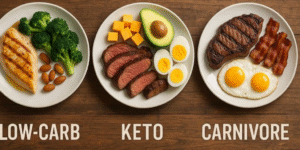
3-Stage Low-Carb Diet Guide: From Beginner to Advanced, Lose Weight Steadily Without Rebound
Previous Article Next Article
Caring for loved ones is a responsibility full of deep affection, but it is often accompanied by many difficult challenges in the process.
6 Weight Loss Myths That Keep You Stuck

Related Posts

6 Practical Weight Loss Strategies for Long-Term Success (No Rebo ...
November 5, 2025
Weight Loss Toolkit: 5 Core Elements for Long-Term Success & No R ...
November 4, 2025