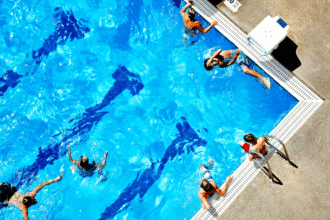
Water is the source of life, nourishing all living things while providing an ideal setting for relaxation and rejuvenation. Yet beneath its serene surface lies hidden danger that cannot be underestimated, making water safety a constant priority.
Water safety is never merely a matter of caution; it is a shared responsibility transcending age, gender, and geography. From the vast oceans to the backyard pool, adhering to water safety principles safeguards lives and protects physical and mental well-being. Here are five core reasons why it is so crucial:
1. Building a Lifeline to Prevent Fatal Accidents
Drowning and other water-related accidents often occur silently and unexpectedly, capable of claiming a life in an instant. According to the World Health Organization, drowning ranks among the leading causes of unintentional death globally, claiming approximately 236,000 lives annually. Tragically, children are the most affected group, with drowning becoming the second leading cause of death among children aged 1 to 14. Implementing water safety measures can reduce risks at their source and effectively prevent tragedies.
2. Strengthen Skill Development to Enhance Self-Rescue Capabilities
Education is the cornerstone of water safety; mastering essential skills builds confidence in aquatic environments. Systematic training in basic swimming techniques, cardiopulmonary resuscitation (CPR), and hydrodynamics significantly enhances individuals’ ability to respond safely in water. The U.S. Centers for Disease Control and Prevention (CDC) reports that formal swimming lessons reduce the risk of drowning by 88% for children aged 1 to 4. Schools like Blacktip Swim in Dallas and San Antonio offer professional courses for youth and adults, equipping them with practical skills to handle aquatic hazards and adding a crucial layer of safety.
3. Promoting Safety Awareness and Building Community Consensus
Enhancing water safety awareness is not solely an individual responsibility; it requires awakening collective community attention. Through open communication and sharing knowledge about potential aquatic risks and safety practices, everyone can develop the ability to anticipate dangers and proactively prioritize safety during water activities. This collective consciousness empowers individuals and ensures safety principles permeate every water outing.
4. Safeguarding Healthy Experiences, Enjoying Water Fun
Water is a playground for recreation and a source of physical and mental nourishment. Activities like swimming enhance cardiovascular fitness, relieve stress, and support children’s growth and development, offering numerous health benefits. Prioritizing water safety is essential to ensure these positive experiences remain uninterrupted by accidents, allowing people of all ages and developmental stages to confidently enjoy the fun and health benefits of water activities.
5. Cultivating Reverence and Practicing Responsibility
Water is a natural force worthy of admiration, yet it possesses an unpredictable nature that should never be underestimated. Holding deep reverence for water’s power compels us to remain humble and cautious during aquatic activities, making responsible choices. Whether engaging in routine pool exercises or exploring open waters, this reverence serves as a vital safeguard for safety.
In essence, water safety is not merely a precaution—it is a commitment to safeguarding lives, both our own and others’. By prioritizing prevention, valuing education, strengthening awareness, and maintaining reverence, we collectively create a safe and healthy aquatic environment where everyone can confidently enjoy the beauty of water. Now, let us dive in with safety in mind!
5 Core Reasons Why Water Safety Matters

Previous Article Next Article
Essential Swimming Techniques for Diverse Water Environments: Safe and Enjoyable Swimming in Lakes, Oceans, Pools, and Rivers
Adult Swimming Lessons: Four Core Challenges and How to Overcome Them

Related Posts

Why Swimming Makes You Hungry
November 19, 2025
Six Health Benefits of Swimming in Saltwater Pools
November 18, 2025