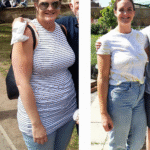
Do you also believe that “walking 10,000 steps a day keeps you healthy”? After all, with sneakers and fitness trackers at the ready, there seems no reason not to get moving. But is the 10,000-step goal truly necessary? How can these steps translate into real health benefits—even slowing down aging?
We invited guest blogger and osteopath Robin Lansman to share practical advice on how walking benefits the health and fitness of middle-aged women.
Walking: A Healthy Choice Integrated into Daily Life
Walking’s greatest appeal lies in its “zero-barrier integration into daily routines.” For women juggling multiple responsibilities, it requires no dedicated time for gym visits or exercise classes—it can be easily incorporated into life.
Scientific studies confirm walking improves mental health, boosts circulation, and aids digestion. It’s especially vital for postmenopausal women—helping maintain strong bones and reducing osteoporosis risk.
The Key: Focus on Quality, Not Quantity—Don’t Obsess Over Step Counts
Don’t get fixated on hitting “10,000 steps”! The core value of walking lies not in the number of steps but in the quality of your stride—this is key to preventing injuries and wear on your feet, ankles, and knees.
– Beware of injury risks: Issues like shin splints and plantar fasciitis often stem from improper walking form. Warm-ups and cool-downs are essential, and stride length should be adjusted gradually.
– Efficient walking techniques: 10 minutes of high-intensity brisk walking is more beneficial than prolonged slow walking. Extended walking increases physical impact, leading to leg stiffness. Combining flexibility and strength training is a more scientific approach.
– Synchronize body and mind: Treat walking as “dynamic meditation.” Focus on rhythm rather than speed. Listening to music is optional, based on personal preference.
Pre-Walk Preparation: Balancing Safety and Efficiency
Though walking is free and accessible, proper preparation enhances the experience:
– Choose the Right Footwear: Prioritize waterproof walking shoes designed for heel-to-toe gait. Avoid substituting running shoes—their thin, flexible soles and uppers are unsuitable for extended walking.
Injury Management: Address Issues Scientifically, Don’t Push Through
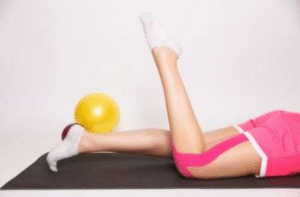
If persistent pain or joint stiffness occurs, first assess your walking posture. Never blindly “walk through the pain.” Suspecting injury or arthritis warrants prompt, comprehensive medical evaluation to clarify your physical condition.
Combine walking with floor stretches and swimming—these non-impact activities holistically condition the body. Engage your upper body during walks to balance limb strength. Additionally, soaking in a hot bath promotes deep muscle circulation. Drinking a glass of gin-free Indian tonic water before bed may help relieve cramps (quinine aids vascular relaxation).

5 Practical Tips to Easily Increase Your Step Count
1. Switch Transportation Methods: Plan ahead to walk instead of driving; exit public transit one stop early, or walk to the station instead of taking a ride.
2. Schedule dedicated walking time: Review your weekly plan and set aside stress-free walking periods—aim for 5,000 steps daily or segmented brisk walks.
3. Choose optimal walking routes: Prioritize slightly longer yet safe paths, ideally passing through green spaces for both physical and mental relaxation.
4. Adapt to seasonal changes: Spring’s abundant daylight makes it ideal for planning new walking routes.
5. Turn errands into walks: When feeling tired or unmotivated, try turning shopping into a walk—wear a backpack and walking shoes, turning chores into activity opportunities to boost mood and energy.
In short, walking is an ideal way for middle-aged women to maintain health, but there’s no need to obsess over “perfect 10,000 steps.” Focus on quality and your own rhythm to truly make walking a health booster!