
Nutrition Expert’s Dietary Optimization Plan
Many women face challenges maintaining a healthy weight during midlife, menopause, and beyond. Weight issues can also lead to low mood, reduced confidence, decreased libido, and other concerns. Nutrition expert Jackie Lynch explains how hormones and lifestyle impact weight, and shares dietary optimization advice to support physical and mental health.
1. Why Do We Gain Weight During Menopause?
Hormonal fluctuations: Estrogen receptors are widespread throughout the body, so declining hormone levels during menopause trigger a chain of reactions. Reduced progesterone may also cause emotional sensitivity and low energy, making it hard to stick to exercise—creating a vicious cycle of “less activity → weight gain → even less motivation to move.”
Slower metabolism: Metabolic rate naturally drops with middle age (age-related, affecting both men and women). Combined with hormonal changes, this not only leads to weight gain but also increases abdominal fat accumulation.
2. Core Dietary Principles for Menopause
Abandon short-term goals like “losing several pounds a week” and focus on long-term nutritional balance rather than just calorie restriction:
Prioritize healthy fats: Fat is not the enemy. Foods like flaxseeds and avocados are rich in healthy fats, which support hormone production and protect heart and brain health—incorporate them wisely.
Increase protein intake: Women generally don’t eat enough protein; a small portion of chicken for dinner is far from sufficient. Meat, fish, eggs, nuts, and legumes provide both protein and fats. They enhance satiety, stabilize blood sugar (reducing snack cravings), and protect heart muscle (heart disease risk rises sharply after menopause due to estrogen loss).
Prioritize nutrient density: Choose nutrient-rich foods over low-calorie options to meet your body’s functional needs.
3. How to Eat for Meals and Snacks
3.1 Meal Matching Formula
Breakfast: Protein + complex carbs (high fiber) → e.g., eggs + wholemeal toast + spinach/avocado; whole-grain cereal (sugar ≤5-10g per serving) + 1 spoonful of seeds (boosts protein and fiber). A proper portion of cereal is 30g.
Lunch & Dinner: 1/4 protein (salmon fillet, chicken breast, or plant-based hummus) + 1/4 whole-grain carbs (fist-sized portion) + 1/2 vegetables. For dinner, avoid starchy carbs if possible and increase vegetables to 3/4 of the meal.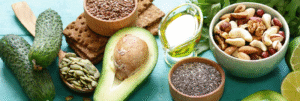
3.2 Healthy Snacking
Balanced meals prevent frequent hunger. If snacks are needed, opt for fruit with edible skin (e.g., apples), a small handful of nuts, or a protein bar.
4. Key Dietary Details to Note
Limit sugar intake: Menopause increases the risk of type 2 diabetes. Excess sugar can lead to insulin resistance (insulin stores unused sugar as fat), causing blood sugar “spikes and crashes” that worsen hunger and fat gain. If you feel dizzy when standing up suddenly, increase complex carbs and protein to stabilize blood sugar.
Supplement critical nutrients:
Multivitamin-mineral: Helps fill potential nutrient gaps in the diet.
Vitamin D: Take 1000-3000 IU daily year-round (sunscreen blocks skin synthesis). It supports bone health, mood regulation, and immunity.
Omega-3 fatty acids: Salmon, sardines, flaxseeds, and walnuts protect heart and brain health, benefit the nervous system, and improve skin and hair. Flaxseeds are rich in phytoestrogens, which may ease hormone-related discomfort.
5. Gut Health and Mindful Eating
5.1 Nurture Gut Health
The gut microbiome supports digestion and immunity (70-80% of the immune system is in the gut lining). Ensure dietary diversity: Try 50 different foods weekly and include fermented foods (e.g., kefir, kombucha) to enrich gut bacteria.
5.2 Practice Mindful Eating
Chew thoroughly: Adequate chewing reduces digestive burden, prevents bloating, and allows the brain to receive “fullness signals” in time, avoiding overeating.
Eat mindfully: Dine at the table, not in front of the TV—avoid distracted eating that leads to unconscious overconsumption.
Summary
Menopausal weight management requires a holistic approach. A healthy diet combined with moderate exercise not only controls weight but also eases stress, headaches, fatigue, and other discomforts. Focus on nutritional balance and regular routines to navigate this phase smoothly and maintain physical and mental vitality.
Menopausal Weight Management: A Nutrition Expert’s Dietary Optimization Plan
Previous Article Next Article
Date-Infused Almond Country Cheese Muffins | The Soft and Sweet Breakfast Choice
Why You’re Swimming Hard but Not Getting Faster — And How Training Zones Fix It

Related Posts

Osteoarthritis Pain Management Guide: Scientific Response to Rega ...
October 22, 2025
Living with Stress: A Practical Guide to Regaining Physical and M ...
October 21, 2025