
Swimming is a lifelong skill that combines enjoyment with safety benefits. It’s never too early to introduce children to swimming, but finding the right age for initiation makes learning more efficient and the experience more enjoyable. This article breaks down the core factors influencing children’s swimming lessons, learning priorities for different age groups, and the multiple benefits of early swimming education to help you navigate your child’s swimming journey.
1. Safety First: Core Recommendations from Authoritative Sources
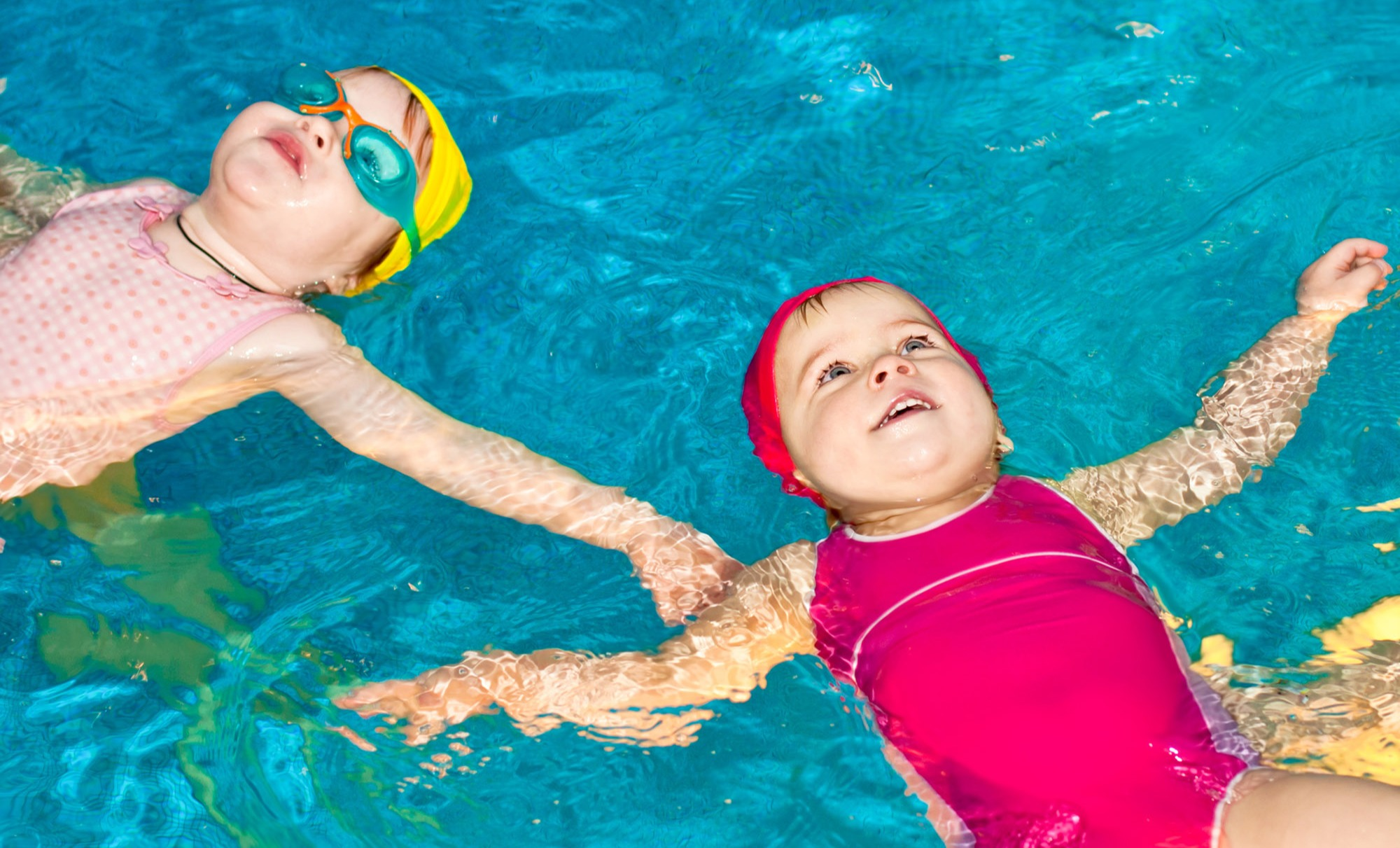
Drowning ranks among the leading causes of accidental death in children. Familiarizing children with water early on is the most effective safety measure. The American Academy of Pediatrics explicitly recommends that children can begin formal swimming lessons as early as age 1. These courses do not focus on rapid mastery of swimming strokes. Instead, their core purpose is to help children adapt to the aquatic environment, learn basic self-rescue skills (such as floating and grabbing), and build foundational trust in water—laying the groundwork for future safety.
2. Developmental Readiness: Learning Priorities by Age Group
The optimal age for children to learn swimming should be adjusted based on individual developmental progress; there is no one-size-fits-all standard:
0-1 years: Focus on “water familiarization.” Participate in parent-child water activities where children become acquainted with water’s texture and buoyancy through play. The emphasis is on fostering a positive relationship with water, not skill acquisition.
1-3 years: Suitable for formal introductory courses. Core objectives include adapting to water and mastering basic safety skills (e.g., lifting head to breathe, short-distance floating). At this stage, children’s physical coordination and cognitive abilities are sufficient to follow foundational instructions.
4-6 years: The golden period for systematic stroke learning. Children’s limb control and comprehension significantly improve, enabling rapid mastery of coordinated techniques like arm strokes, leg kicks, and breathing. Learning efficiency is higher.
3. Building Water Confidence: The Critical Period for Overcoming Fear
Early exposure to swimming fundamentally reduces children’s fear of water. Ages 1-3 mark a critical stage for emotional perception development. Introducing water in a gentle, playful environment during this period allows children to naturally build confidence in aquatic settings. This confidence extends into a lifelong love for water activities. Missing this window may lead to fear stemming from unfamiliarity later on, requiring significantly more time to overcome.
4. Fostering Comprehensive Motor Skill Development
Swimming demands coordinated coordination, balance, and core strength, making it a well-rounded sport. Introducing swimming early allows children to gradually refine these foundational abilities during their growth and development: infants and toddlers develop limb control through water-based activities, preschoolers strengthen their strength and coordination through structured training, and as they age, these skills naturally transfer, making it easier for them to master advanced swimming techniques and laying a foundation for other sports.
5. Dual Benefits for Cognitive and Emotional Development
Swimming’s benefits extend far beyond physical fitness:
Cognitively, it cultivates self-discipline, patience, and rule-following—such as obeying coach instructions and persevering through drills—qualities that translate to daily life.
Emotionally, swimming helps children with sensory integration issues or anxiety relax and gain a sense of control in the water. Achieving small milestones (like first independent floating) builds significant self-esteem and fosters positive self-perception.
6. Expanding Social Skills: Learning Through Playful Interaction
Swim lessons provide an excellent social setting for children, especially introductory group classes. Through water games and team activities, children learn while playing. Splashing with peers and collaborating on small tasks not only makes learning fun but also cultivates communication skills and teamwork, fostering joy in social interaction and increasing motivation to continue.
7. Introducing Water Culture: Planting Seeds for Lifelong Passion
Early exposure to swimming naturally immerses children in “water culture.” Through sustained aquatic activities, they may develop interests in snorkeling, diving, competitive swimming, and more. This curiosity lays the foundation for a lifelong love of water sports, transforming swimming from a mere “skill” into a lifelong recreational companion that continually delivers health and joy.
Conclusion
There is no single “best” age for children to learn to swim, but “early introduction and stage-appropriate progression” remain core principles. Safety awareness can begin as early as age 1, with systematic learning commencing between ages 4-6. This approach aligns with developmental milestones while maximizing benefits in safety, confidence, physical fitness, and social skills. Introducing children to swimming early isn’t just about mastering a life-saving skill—it’s gifting them a lifelong treasure of health and joy.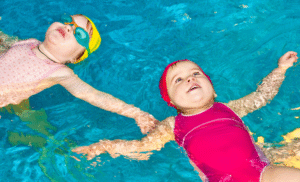
At What Age Should Children Start Learning to Swim? Optimal Age and Beginner’s Guide
Previous Article Next Article
Why Are Swimming Instructors So Important? Unlocking a Safe and Efficient Swimming Journey
Water Safety Knows No Age: Survival Rules for Children and Adults Alike

Related Posts

Why Swimming Makes You Hungry
November 19, 2025
Six Health Benefits of Swimming in Saltwater Pools
November 18, 2025