It can also relieve stress – do you know that? Simple walking meditation can improve memory, enhance concentration and optimize overall mental health. Studies show that combining exercise with mindfulness can bring significant cognitive benefits, especially for the elderly.
What is walking meditation?
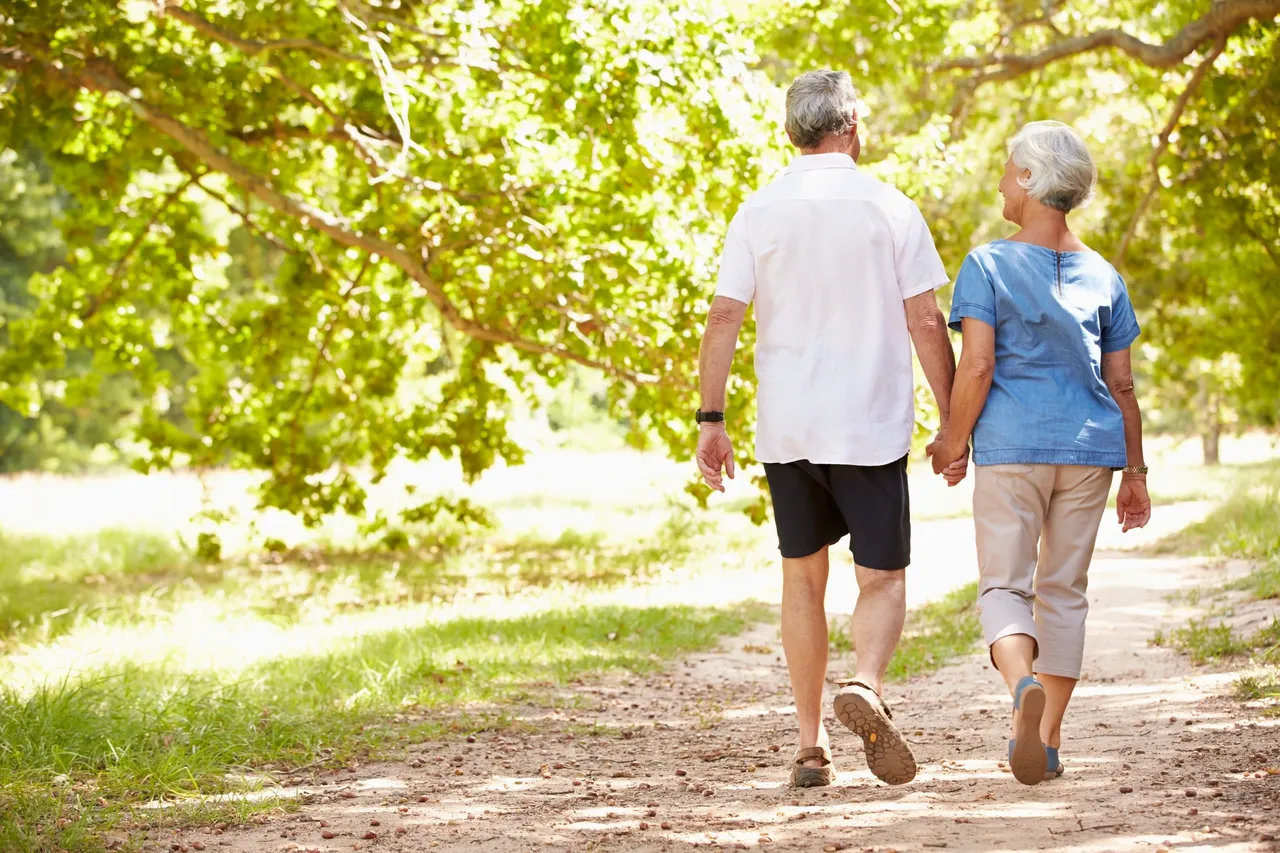
Walking meditation is a kind of mindfulness exercise. Its core is to take slow and conscious steps, combined with deep breathing, while being highly aware of the surrounding environment. Unlike traditional sitting meditation which emphasizes stillness, walking meditation encourages maintaining physical activity while entering a gentle and smooth state of awareness.
Key points of core practice
👣 slow down: Walk at a steady, relaxed pace and focus on how you feel with each step. 🌿 Engage the senses: Pay attention to your breathing rhythm, feel the touch of your feet on the ground, and at the same time perceive the surrounding scenes and sounds. 🧘 Focus on the present: let go of the distracting thoughts in your mind and immerse yourself in the experience of the present.
The scientific principles behind walking meditation and memory
Research has confirmed that mindful walking can enhance memory function and improve cognitive health. When you walk with concentration, your brain remains active, thereby strengthening the neural pathways responsible for memory and attention.
🚶♂️ Exercise stimulates brain activity: Physical activities can increase blood flow to the brain, enhance oxygen supply, and keep memory in a better state. 🧠 Mindfulness effectively reduces stress: Chronic stress can damage cognitive function, while meditation can help regulate stress hormones and protect brain health. 🌟 Multi-sensory awareness enhances concentration: Walking meditation encourages you to focus on the present moment. Long-term persistence can significantly improve concentration and mental clarity.
Additional health benefits
In addition to improving memory, walking meditation can bring multiple physical and mental benefits: ✅ lowering blood pressure: gentle exercise combined with mindful breathing can help relax the body and mind and contribute to heart health. ✅ Relieve anxiety and depression: Research shows that meditation can significantly reduce stress and improve emotional state. ✅ Improve balance and coordination: Mindful walking can enhance the body’s perception ability and reduce the risk of falls.
How to get started?
Starting walking meditation is particularly simple and doesn’t require any special equipment. Just follow these steps:
Find a quiet environment, such as a park, a garden, or even an open area at home.
Walk slowly and attentively, focusing your attention on each lift and drop.
At the same time, pay attention to your breathing, changes in the surrounding environment, and the subtle sensations of your body.
If your thoughts accidentally wander, there’s no need to deliberately blame yourself. Just gently bring your attention back to the present.
At the beginning, you can start with 5 to 10 minutes, and then gradually increase the practice time according to your own situation.
The last words I want to say
Walking meditation is a simple yet efficient way that can promote the health of both the brain and the body simultaneously. Whether you want to improve your memory, relieve stress, or simply experience the joy of mindfulness exercises, integrating this habit into your daily life will bring about real changes.