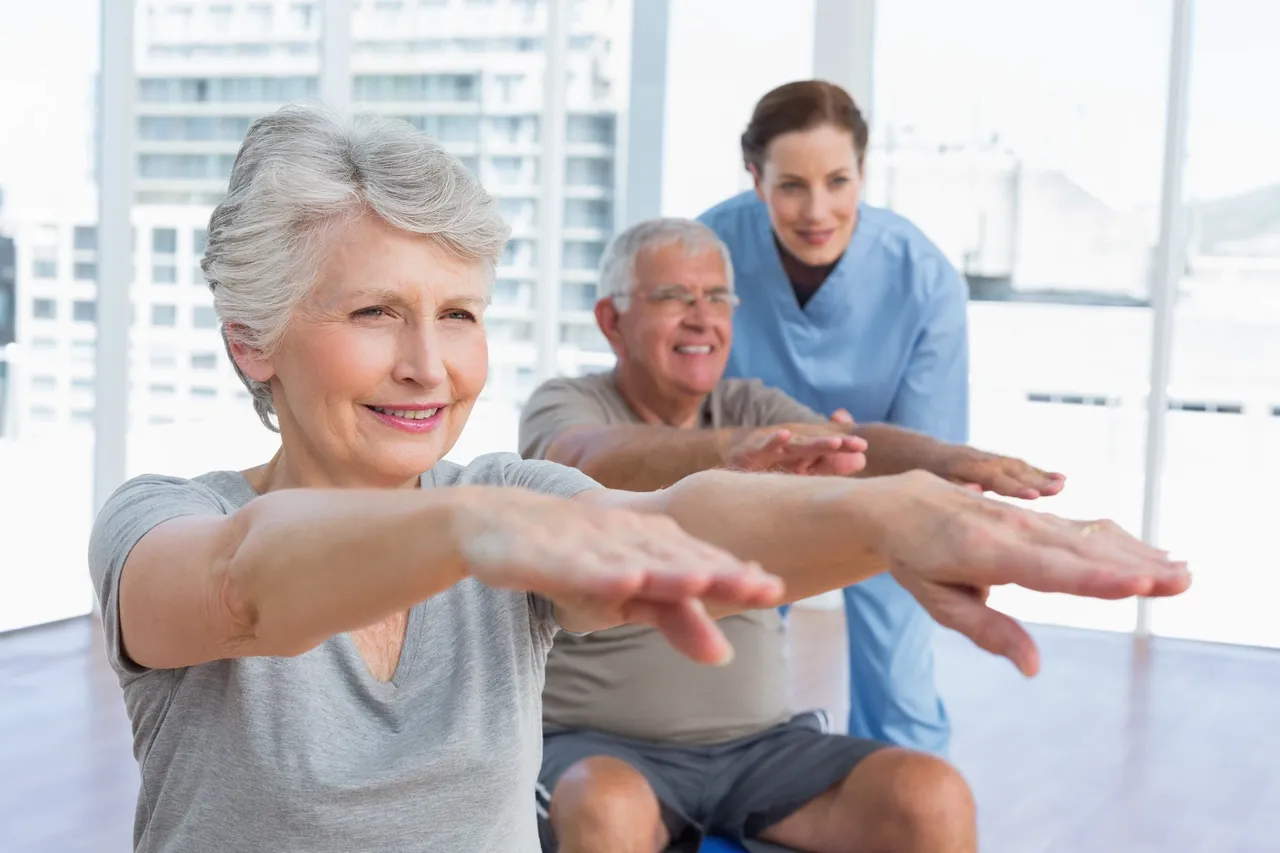
For the elderly, maintaining physical activity is one of the best ways to stay healthy, retain the ability to live independently and keep a pleasant mood. Many people think that “exercise” means sweating profusely, but that’s not the case – gentle exercises like chair exercises, soft stretching, and balance exercises are enough to significantly improve the quality of daily life.
Today, let’s focus on the simple chair exercises suitable for the elderly and the tangible benefits that can be brought by persisting in light exercise.
Why should the elderly persist in exercising even more?
Regular exercise is important for people of all ages, and for the elderly, it is the “cornerstone of health”. There are mainly five reasons for this:
– Maintain mobility and flexibility: Exercise can expand the range of motion of joints and enhance muscle strength, which is the key for the elderly to keep moving freely and living independently.
– Reduce the risk of falls: Strength and balance exercises can enhance physical stability, and falls are one of the main risks of injury among the elderly.
– Improve mental state: During exercise, the body releases endorphins, the “happiness hormone”, which can effectively alleviate depression and anxiety, keep the brain active, and delay cognitive decline.
– Assisting in the control of chronic diseases: Regular light exercise is very helpful in managing common chronic diseases among the elderly, such as arthritis, hypertension, diabetes, and heart disease.
– Boost energy and sleep: Appropriate activities can combat fatigue, adjust sleep rhythms, make you more energetic during the day, and sleep more soundly at night.
5 sets of simple chair exercises that can be practiced while sitting
Chair exercises are particularly suitable for the elderly who have difficulty moving around, poor balance ability, or are just getting started with sports. They are safe and worry-free. The following several sets of movements can be easily completed at home:
1. Sitting leg raises – Strengthen the legs and promote circulation
Sit on a sturdy chair with your back straight and your feet flat on the ground. Slowly straighten and lift one leg forward, hold for 2 to 3 seconds, then slowly lower it. Repeat with the other leg. Do it 10 times for each leg.
Benefits: Strengthen the muscles of the thighs and calves, improve blood circulation in the lower limbs, and increase leg flexibility.
2. Circle the arms – to keep the shoulders and neck active and exercise the upper limbs
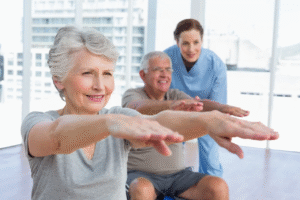
Sit up straight with your arms stretched out to your sides at shoulder height. Slowly draw small circles forward for 15 seconds, then draw small circles backward in the opposite direction for 15 seconds. The range of motion should be comfortable and not cause soreness.
Benefits: Relax the shoulder joints, relieve stiffness in the neck and shoulders, and enhance the strength of the arm muscles.
3. Sitting March – Stabilize the core and activate the hips
Sit upright with your feet flat on the ground. Slowly lift one knee towards your chest, then gently lower it. Next, switch to the other leg and alternate like a “sitting march” for 30 seconds to 1 minute.
Benefits: It exercises the core muscles of the waist and abdomen, improves the range of motion of the hip joint, and promotes blood circulation throughout the body.
4. Shoulder Rolling – Relax the shoulders and neck and correct the posture
Sit relaxed and keep your back straight. Lift your shoulders up close to your ears, then roll them backward in a clockwise circle for 10 times. After that, switch to rolling forward counterclockwise for 10 times.
Benefits: Relieves tension in the neck and shoulder muscles, corrects the habit of hunchback, and increases shoulder flexibility.
5. Sit with your toes touching the ground – strengthen your ankles and calves
After sitting steadily, place both feet flat on the floor, slowly lift your heels, gently touch the ground with your toes, then lower your heels. Repeat this action for 20 to 30 seconds.
Benefits: Strengthen the calf muscles and ankle strength, improve foot flexibility, and prevent ankle sprains.
For the elderly, safety always comes first when exercising
Exercise is good, but you must pay attention to the way and method. Keep these safety tips in mind:
– Gradual progress: At the beginning, start with a small number of repetitions for each movement, for example, do it five times at first. After getting used to it, gradually increase the number. Don’t force yourself.
It is important to replenish water in a timely manner: Drink water in small amounts frequently before, during and after exercise to avoid dehydration.
The key is to choose the right chair: It is essential to use a stable chair without wheels. It is best to place a cushion on the back of the chair for more comfortable support.
– Learn to “listen to your body” : If you feel dizzy, painful or palpitations during exercise, stop immediately and rest. Don’t force yourself.
– Consult a doctor first: Before starting a new exercise plan, especially for the elderly with underlying conditions such as high blood pressure or heart disease, it is essential to communicate with a doctor first to ensure the safety of the plan.
The “invisible benefits” brought by sports
In addition to physical changes, light exercise can also quietly improve the quality of life of the elderly:
– Boost self-confidence: When your muscles become strong, opening doors, lifting heavy objects, and going up and down stairs all become easier, and you will naturally have more confidence.
– Reduce loneliness: Doing chair exercises and square dancing with old friends can both exercise and chat, and your social circle won’t shrink.
– Protecting brain function: Exercise can promote blood circulation in the brain, provide sufficient oxygen to the brain, and help reduce the risk of memory decline.
The last words I want to say
Staying energetic never requires complicated equipment or going to the gym to suffer. For the elderly, a stable chair and a set of simple movements can add points to their health. Whether it’s sitting leg raises or shoulder rolls, these small persistences will gradually transform into better mobility, a more pleasant mood and a more independent life.
Remember, it’s never too late to start exercising. The key is to find a rhythm that suits you and turn exercise into a daily habit – move a little today and you’ll be more relaxed tomorrow!