As one ages, maintaining balance becomes increasingly important for overall health and the ability to live independently. A simple “single-leg standing test” can help us gain a deeper understanding of our neuromuscular health and the degree of aging of our bodies.
What is the single-leg standing test?
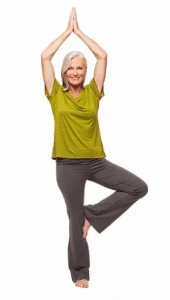
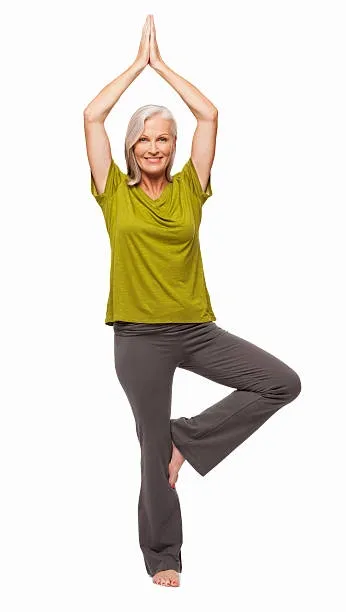
The operation of the single-leg standing test is very simple: just maintain a standing position on one leg for as long as possible. Research from the Mayo Clinic shows that the duration of maintaining this posture is closely related to the degree of neuromuscular aging. Research has found that if people over 50 can stand on one leg for 30 seconds or more, it indicates good balance and also means that their neuromuscular function is better.
Why is balance so important?
Balance is a complex function involving multiple body systems. Only when these systems work together can the stability of the body be maintained.
Visual system: Provides spatial orientation and helps determine the positional relationship between oneself and the surrounding environment;
The vestibular system: Located in the inner ear, it is the core for controlling balance and can sense changes in the position of the head.
Somatosensory system: Perceives tactile feedback and body posture, allowing the brain to know the state of the limbs.
Neuromuscular system: Coordinates muscle contraction and relaxation to ensure precise and smooth movements.
As people age, the functions of these systems gradually deteriorate, directly increasing the risk of falls – and falls are one of the main causes of injury among the elderly. Regular balance exercises can help maintain and even improve the functions of these systems, thereby effectively reducing the probability of falls.
How to improve balance ability?
It is comforting to note that balance ability can be gradually improved through targeted practice. Here are a few practical tips to help you enhance your sense of balance
Keep practicing standing on one leg: Incorporate this simple movement into your daily life, such as when brushing your teeth or watching TV. At the beginning, you can stand on a stable wall or beside a table or chair for easy support at any time. The goal is to gradually extend the time of maintaining balance.
Participating in balanced activities: Yoga, Tai Chi and other sports are particularly suitable for improving balance ability and body coordination, while also enhancing flexibility and muscle strength, achieving multiple benefits at once.
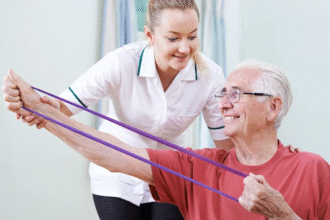
Emphasize lower limb strength training: Muscle strength is the foundation of balance, and especially lower limb muscle strength is of vital importance. It is recommended to do strength training at least twice a week, such as simple exercises like squats and heel raises.
Maintain regular overall movement: Regular physical exercise can enhance muscle strength and maintain joint flexibility, both of which are key to maintaining balance. According to the health guidelines, one should engage in at least 150 minutes of moderate-intensity aerobic exercise each week, such as brisk walking or swimming.
Consult professionals in a timely manner: If you are concerned about your balance ability or have had a fall experience, it is recommended that you proactively consult a healthcare provider or a physiotherapist. They will develop a personalized improvement plan based on your specific situation to ensure that the practice is safe and effective.
When should one seek help?
If after trying, you can’t stand on one leg for at least five seconds, it may mean that the risk of falling has increased. In such cases, it is recommended to consult a medical professional in a timely manner, who will assess your balance ability and discuss appropriate intervention measures to prevent any unexpected incidents.
Conclusion
Maintaining balance is a key element for healthy aging, and the single-leg standing test is a simple and effective way to assess neuromuscular health. Integrating balance exercises into daily life and adhering to regular exercise can enhance physical stability, reduce the risk of falls, and maintain the ability to live independently in old age.