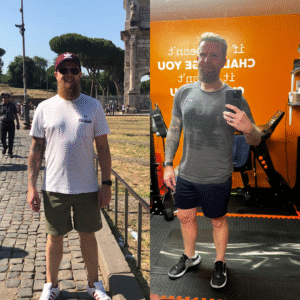
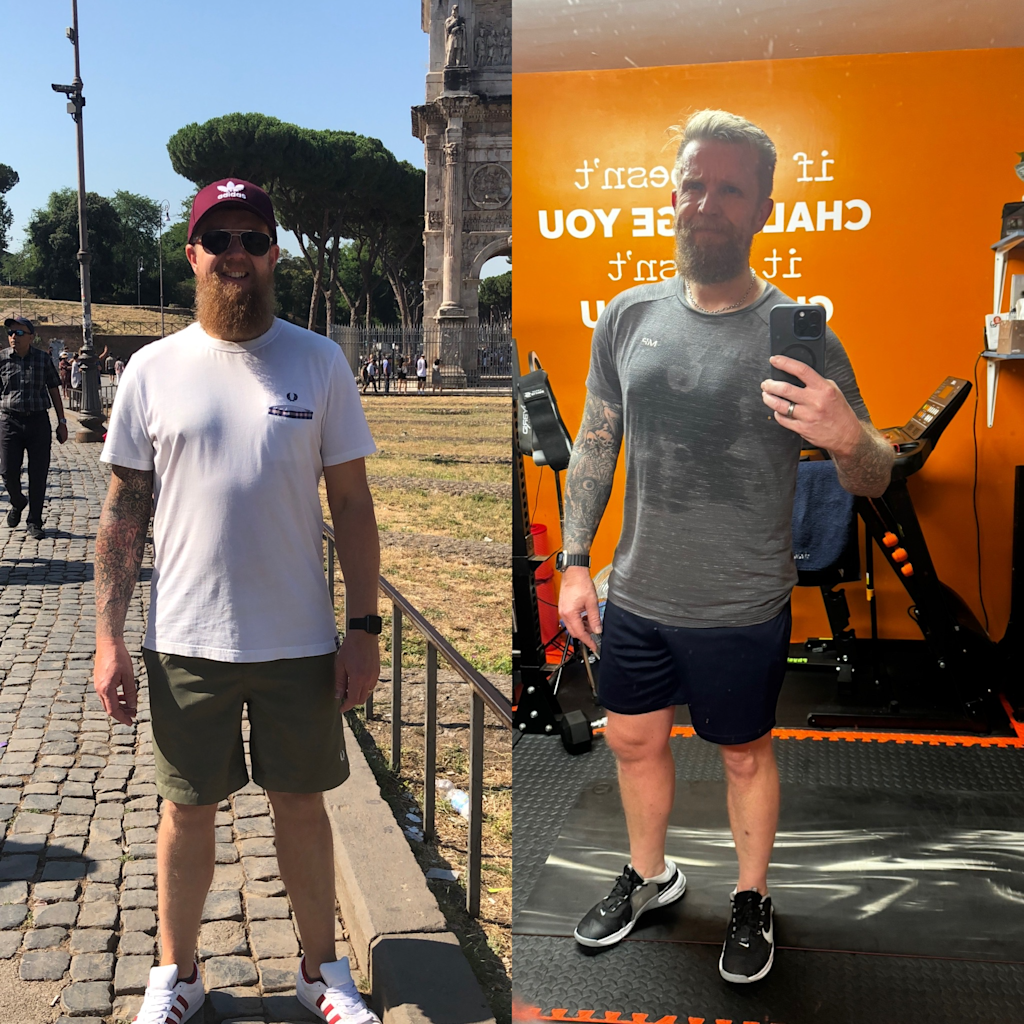
My initial motivation for exercising was never about the number on the scale, but about saving my mental health. Craig Melhuish lost 2 stone (approximately 13 kilograms) over the course of a year, but for him, the more precious gain was that exercise became a “mental antidote” against stress, while the weight loss was merely a pleasant surprise that followed.
The Struggle: Obsessed with the Scale, Weight Loss Always Fizzled Out
The former Craig was the quintessential quitter on the weight loss journey. “I tried all kinds of workouts and followed every diet trend, but never stuck with anything for long.” His weight loss logic was simple—staring at the scale, happy when the number dropped, depressed when it plateaued. He never realized this “weight-obsessed” mindset had already trapped him in a vicious cycle.
What tormented him most was how minor weight fluctuations severely impacted his mood. “Even a few pounds could leave me restless all day.” He fixated solely on “losing weight,” ignoring his body’s true sensations and failing to realize this obsession was quietly draining his mental energy. Repeated cycles of trying and giving up left him anxious about his weight and powerless to change.
The Turning Point: Anchoring in Mental Health for Lasting Motivation
What truly freed Craig from his rut was a mental “shift in focus.” “It suddenly clicked—the number on the scale doesn’t define me. Mental health should be the top priority.” He began reevaluating the purpose of exercise—no longer a “weight-loss tool,” but an “outlet for emotional regulation.”
This shift transformed his entire state: “Honestly, if I didn’t have exercise now, I wouldn’t know how to handle life’s pressures.” He no longer forced himself to work out for “slimness,” but instead savored the physical and mental release after a session. Physical changes followed, but for him, they were merely “bonus rewards.” More crucially, he discovered the strength to keep going—not just inner resolve, but also the companionship of his BC community partners. “We share smiles after sweating, celebrate successes, and honestly face failures and obstacles. Their daily perseverance is my biggest motivation to get up and train every morning.”
When he stopped fixating on the scale, he gained holistic growth: more stable emotions, stronger resilience to stress, and a completely renewed mental state. This commitment to “training for the soul” proved far more powerful than the mere pursuit of weight loss.
Message: Don’t let the scale define all your progress.
Reflecting on this journey of “aligning body and mind,” Craig wants to share his most profound insight with everyone: “There’s no magic pill for weight loss. Consistent exercise and healthy eating are the most straightforward and effective secrets.”
He emphasizes: “Anyone can do it, but it’s never easy—if it were simple, everyone would achieve their ideal state. The hardest part is ‘starting,’ yet all change begins with that first step.”
Once you embark on this journey, let go of your obsession with the scale: “Look in the mirror more often—see if you appear more energetic, if your clothes fit better, if your spirit feels fuller. These non-weight gains are the true measure of your growth.”
When exercise becomes a way to nourish your soul and healthy eating becomes your everyday norm, weight loss and inner strength will naturally follow—this is the most precious meaning of weight loss.