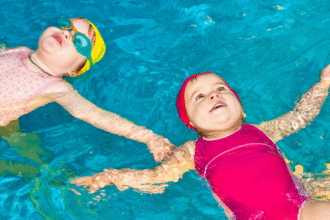

Diving headfirst into a cool pool, letting the water carry your body as you glide forward—who wouldn’t love that feeling? But what’s even more addictive is the hunger that hits after swimming. That empty feeling in your stomach, that urge to devour an entire cow right then and there—every swimmer knows it. How can simply gliding through water make you hungrier than running several kilometers? The answer lies in the remarkable interaction between your body and water.
A Full-Body “Energy Incinerator”
Don’t be fooled by the illusion of “weightlessness in water”—swimming is actually a calorie-burning powerhouse in the fitness world. Water offers 800 times more resistance than air. When you stroke, kick, and turn, nearly every muscle group from your arms to core to lower limbs works in concert, creating a full-body resistance workout. Data shows that a 60-kilogram person burning 500-700 calories through one hour of moderate-intensity freestyle or breaststroke swimming consumes roughly the equivalent of a full meal. As the body expends massive amounts of energy during exercise, it naturally signals an “energy emergency” afterward, triggering hunger pangs.
Water Temperature Forces the Body to Seek Energy
Pool water typically ranges between 26-28°C (80-82°F), significantly cooler than the human body’s normal temperature of 37°C (98.6°F). When submerged, the body continuously loses heat through thermal conduction—a principle similar to why one feels hungrier outdoors in winter. To maintain stable core temperature, metabolism automatically “rev up.” This “afterburn effect” persists even after swimming ends, further depleting energy reserves. Simultaneously, the body instinctively seeks food to replenish calories and restore warmth. The cool water acts like an “invisible switch,” quietly triggering your appetite.
Don’t Mistake Thirst for Hunger
When swimming, your entire body becomes saturated, and many overlook a crucial fact: you are constantly sweating. This is especially true in indoor heated pools, where the contrast between water and air temperatures, combined with the heat generated during exercise, causes the body to sweat invisibly. This perspiration depletes significant fluids, yet the sensation of thirst is greatly diminished while submerged. Dehydration easily disrupts the body’s sensory systems, causing the brain to misinterpret “thirst signals” as “hunger signals”—explaining why you might still feel empty after eating post-swim, while a cup of warm water provides relief.
Happy Hormones Fuel Appetite
Swimming not only strengthens the body but also “feeds” the brain. The enveloping sensation of water and the rhythmic motion of strokes promote relaxation, prompting the brain to release “happy hormones”—endorphins. These hormones induce feelings of pleasure, and the brain often associates “swimming brings joy” with “eating brings joy” as two closely linked experiences. Just as you might reward yourself with a meal after exercise, endorphin release indirectly amplifies appetite, making you crave something “delicious” after swimming.
A Natural Response to Blood Sugar Fluctuations
Swimming’s effect on blood sugar regulation also influences appetite. During exercise, muscles actively draw glucose from the bloodstream for energy. Simultaneously, swimming enhances cellular insulin sensitivity, helping the body utilize blood sugar more efficiently. This process causes blood sugar levels to drop. When blood sugar falls below a certain threshold, the brain receives a “low energy” signal, prompting you to eat to raise blood sugar. Especially for those with good blood sugar control, these slight fluctuations translate more noticeably into hunger.
Eat Right After Swimming to Maintain Energy
Understanding these reasons helps you better manage post-swim hunger. It’s recommended to consume low-GI (glycemic index) foods like oats, bananas, or whole-grain bread 1-2 hours before swimming to fuel your workout. After swimming, start by drinking a glass of warm water to rehydrate. Wait 15-30 minutes before eating, opting for a protein + complex carbohydrate combo—such as eggs with multigrain rice or chicken breast salad. This approach helps restore energy quickly while avoiding sharp blood sugar spikes and crashes.
Ultimately, feeling hungry after swimming is your body’s natural “energy alert” and proof of effective exercise. Next time the pool “feeds” you an appetite, remember to distinguish between thirst and hunger before responding with nutritionally balanced foods—after all, the most comfortable lifestyle is one that combines refreshing swims with satisfying meals.